
Small Towns Social Settlement Project
The Small Towns Social Settlement Project is a large-scale nation-building project for the revival of small towns, a solution to the housing crisis, and a rebuilding of community and social cohesion in our country.
It revives an Australian model for community settlement which thrived in the 19th century. Community settlement co-operatives were used to establish towns and districts across Australia, from the Riverland in South Australia to isolated settlements in Western Queensland, from East Gippsland to South West WA.
Expressions of Interest are invited from residents, town associations, businesses and local government representatives who wish to partner with building firms and Innovation 200 in creating new social settlements in 200 small towns with less than 5,000 people.
We also want to hear from city people thinking about new challenges.
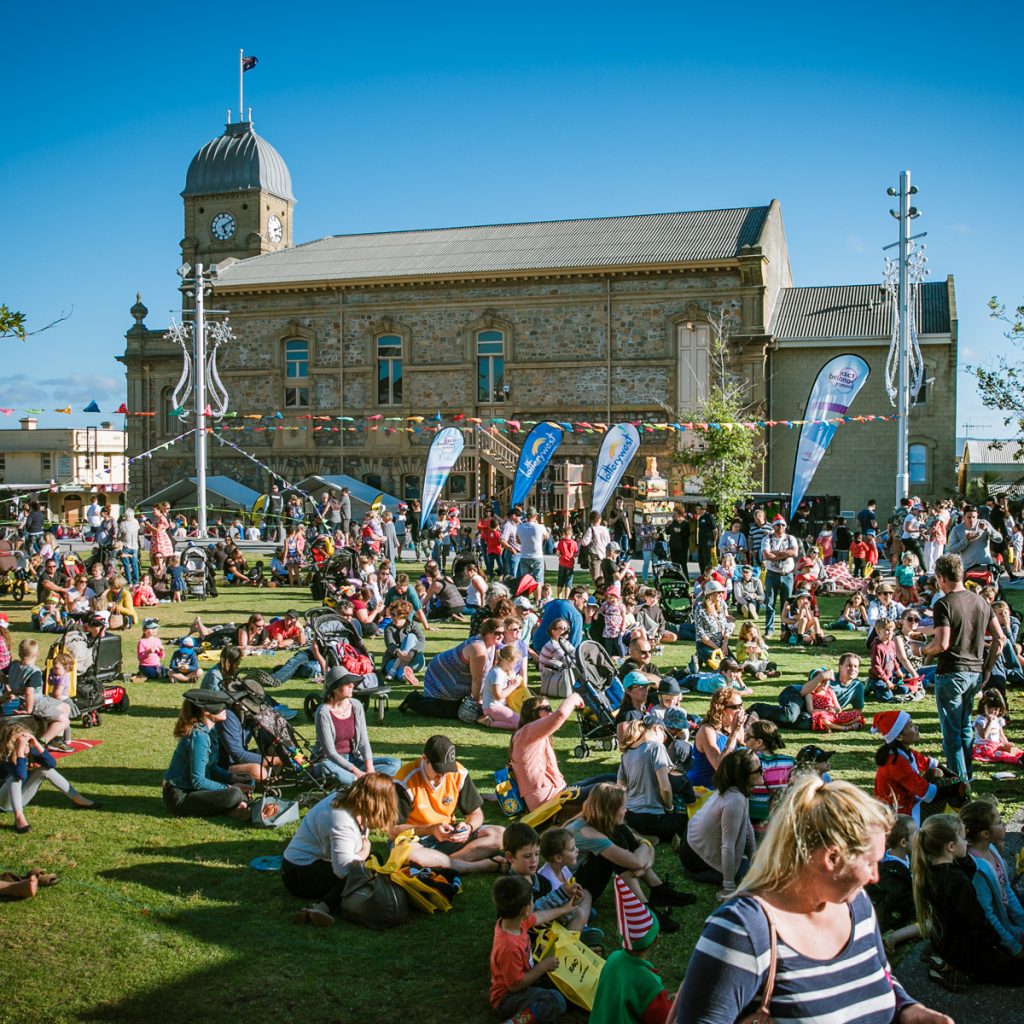
The NationWide Challenge
There are 1,614 country towns in Australia which have a population of less than 5,000.
- 1,088 of these towns have less than 1,000 people.
- About 80% of these small towns are either static or dying in terms of population and business life.
Yet these small communities continue to play a significant service centre role in terms of agriculture, mining and tourism, and they represent home and community to a population of 1,131,600.
Small towns facing population decline have two big assets: inexpensive land and underutilised infrastructure. But many schools, hospitals, businesses and sporting clubs in these towns desperately need additional residents to avoid closure.
At the same, housing in our congested cities has become unaffordable and the quality of urban living for many is in decline.
- Long commutes are a nightmare.
- Most of us no longer know our neighbours.
- Our social circles are becoming smaller.
But relocation from city to country is a high-risk undertaking.
- Will new residents find like-minded people?
- Can those downsizing or changing lifestyle organise work in a non-metro location?
- Will established residents welcome newcomers?
What is Social Settlement
By ‘social settlement’, we mean the creation of communities by groups of new residents who have a shared interest.
The shared interest may be:
- parents with young kids
- retirees downsizing from city life
- people with an interest in the arts or artisanal crafts
- people with an interest in regenerative agriculture
- enthusiasts of any shared passion
The Small Towns Social Settlement Project is based on social settlement, not individual relocation from city to country. This makes it different from government and municipal schemes which try to encourage individual families to relocate from cities to small towns. Without social connections and peers with shared interests, this form of relocation is high-risk, even for individuals and families seeking lower-cost options to city life.
But through social settlement, these risks can be mitigated, especially when done at scale.
Our History
In 19th century Australia, many towns were established through Community Settlement Co-operatives.
All the Australian colonies recognised community settlement co-operatives as a legal structure through which settlements could be undertaken by new residents – tracts of land were assigned to the co-operatives, who administered the sub-divisions and individual purchases, provided interim accommodation, ran retail stores, and organised transport connections to the cities.
There were many of these settlement co-operatives along the Murray River, and especially in the Riverland district and other parts of rural South Australia. Many isolated towns in Western Queensland were established as Community Settlement Co-operatives.
It is a tried and tested model of nation-building in Australia, with a rich history.
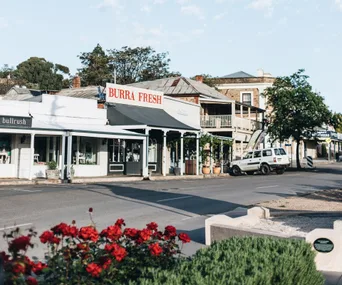
Who Is It For?
Social Settlements in small towns can work for many communities of people with a shared interest. Our research has found particular interest in the idea from the following communities:
- Parents with young kids who want a more relaxed, safer, healthier place to raise a family, and want to do it with like-minded parents.
- Downsizing property-owners in the cities who no longer need a three bedroom high-maintenance house and garden.
- Nature-lovers with a passion for gardening, permaculture, and conservation.
- Migrant communities with roots in agriculture and farming (Cambodian, Vietnamese, Mediterranean communities, Sikhs) who prefer farming work to city living.
- Artists and artisanal workers who want to immerse themselves in a like-minded community.
- Care organisations for the aged and disabled who want a supportive village to live in as an alternative to institutionalised care.
- Digital workers and entrepreneurs who can work from home and want a low-cost, low-stress lifestyle.
Our Project
Aim: To add 10-100 additional residents in modular, transportable housing in social settlements in each of 200 of the 1614 towns in Australia which currently have less than 5,000 people.
After that, we will scale it up five-fold. Then ten-fold.
Initial Focus: To establish 3-5 pilots.
Method:
- To invite initial interest from small town residents, town associations, businesses, and representatives of LGAs to explore the possibilities.
- To invite shared-interest communities in cities to explore the possibilities of social settlement.
- To match small towns and shared-interest communities to begin conversations.
- To invite builders and housing suppliers to partner with small towns and shared-interest communities in co-designing and building social settlements.
The Housing Options
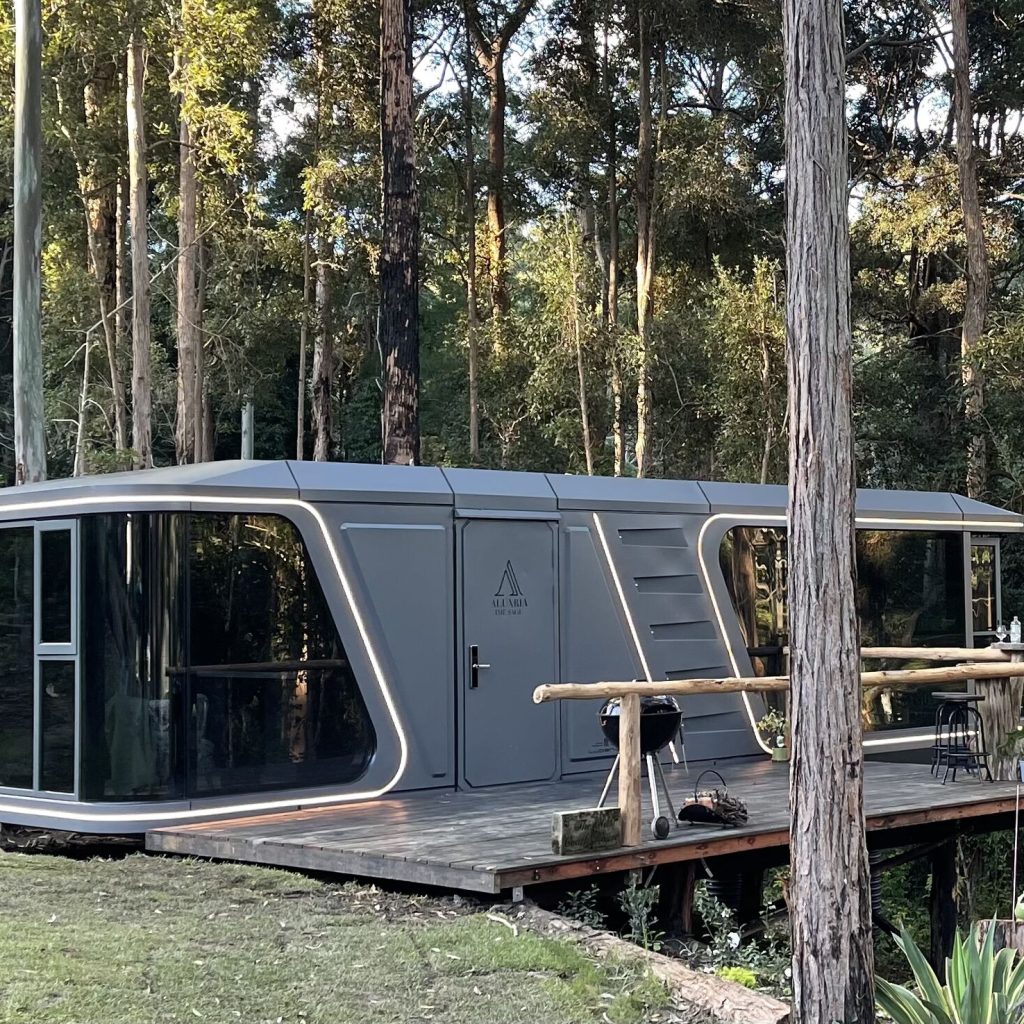
We have partnered with two suppliers of modular, transportable housing for social settlements.
Modular Cabin Standards:
- 40–120 sqm, self-contained
- Energy-efficient insulation and materials
- Minimal environmental impact
- Crane-liftable, modular, transportable
- Minimum 30-year structural lifespan
Landholder Options:
- Lease land only (to cabin owners)
- OR install cabins with optional government financing, for direct leasing (especially for social housing)
Land can be:
- Privately held
- Leased from government-managed land banks (e.g. Crown or Trust land earmarked for innovation pilots)
Community Agreements:
Tenants must sign a legally binding Community Agreement, covering:
- Maintenance and cleanliness
- Respectful behavior
- Environmental harmony
- Contribution to shared spaces
Affordability and Economic Logic
Key Model Features
Cabin cost | $100,000–$150,000
Weekly repayments | ~$240/week under govt-backed financing (TBC)
Lease options | Private agreement or council-regulated
Ownership models | Portable ownership, rent-to-buy with land lease
This model offers dignified housing, cheaper than market rent, and scalable pathways to asset ownership.
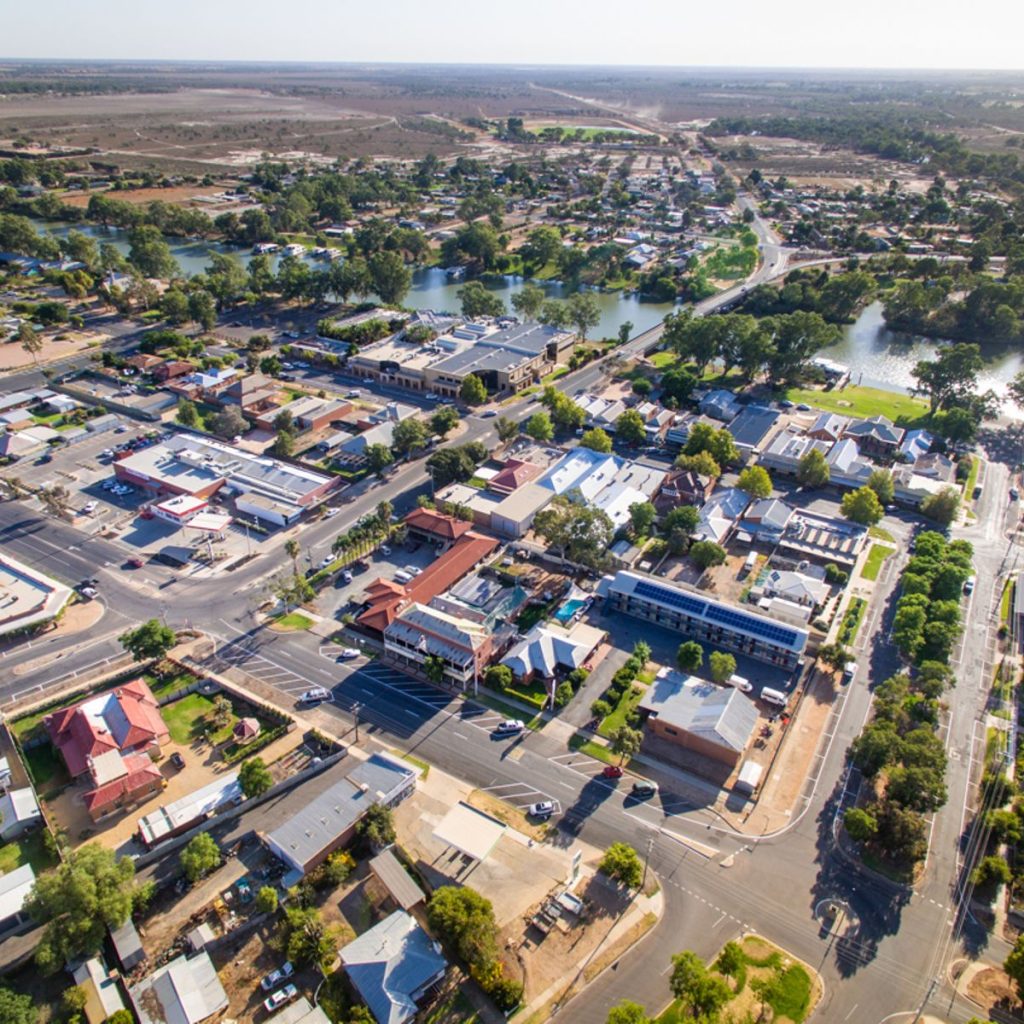
Governance Standards
To protect both community integrity and public, private and philanthropic funds, the Project includes:
- Strict eligibility and conduct screening
- Limit on dwellings per site
- Mandatory design cohesion for site aesthetics
- NDIS-compliant options for disability-ready sites
- Environmental reporting on ground impact, greywater, solar, etc.
- Digital oversight platform via future My Tribe app integration
Pilot Proposal
Partners are sought to launch 3–5 pilot sites across varied regional zones.
Each pilot will test:
- Different demographics
- Lease models
- Compliance integration
- Community wellbeing outcomes
We are seeking:
- Government co-development and support
- Council-level pilot site partnerships
- Regulatory trial frameworks
- Social stakeholders from health, housing, NDIS, ageing, and homelessness agencies
- Financial and philanthropic partners
Two Pilot Rollout Models
1. Full Social Settlement Village (Full Ecosystem Model – Rural/Regional)
Purpose: Regrow small towns, revive regional areas, house multiple generations.
• 50–100 modular home lots
• Composting toilets, solar power, water harvesting
• Gardens, craft sheds, animal care, resilience training
• Circular living and cultural regeneration
• Ideal for unused land just outside townships
⸻
2. Social Settlement Pockets (Integrated Housing Pockets)
Purpose: Fast deployment of modular housing in underutilized peri-urban land.
• 3–20 modular home lots
• Plug into aged care, NDIS, key worker or low-income housing
• Ideal for:
• Church land
• Government-owned lots
• Private landholders with long-term lease intent
• Plug-and-play infrastructure (or hybrid off-grid)
• Quick approval, high compliance, elegant design
How to Start
Complete the form below to Express your Interest in partnering with us. We will then have a conversation.
Contact:
Vern Hughes – Project Coordinator
vern.hughes@innovation200.org
0425 722 890